
One of the things I enjoyed while living in Korea was discovering its history and culture. The photo below was taken during one of our visits to the National Folk Museum of Korea, where we had the chance to see traditional Korean clothing up close.
The traditional dress most people associate with Korean women is the hanbok. In North Korea, it is commonly referred to as Chosŏn-ot.
What Is Hanbok?
Hanbok is a traditional Korean style of clothing known for its vibrant colors, graceful shape, and simple, clean lines. Traditional hanbok generally doesn't have pockets, which is probably one of the first things I'd notice if I actually had to wear one every day. 😄
Today, the word hanbok is often used when referring to the traditional clothing styles associated with the Joseon Dynasty. Although hanbok was once part of everyday Korean clothing, it is now more commonly worn during traditional festivals, holidays, weddings, celebrations, and other special occasions.
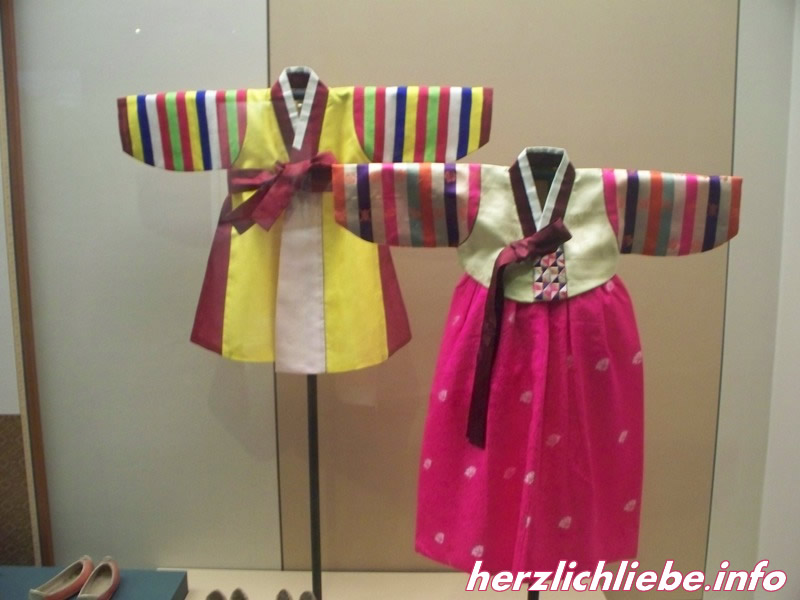 |
| Hanbok for kids |
Hanbok has also changed over the years. Modern versions don't exactly look like the clothing worn during the Joseon period. The designs went through various changes during the 20th century, particularly to make the clothing more practical and suitable for modern life.
Hanbok for Children
The National Folk Museum of Korea also had displays showing traditional hanbok for children.
I found the children's versions particularly cute. The bright colors and traditional designs make hanbok instantly recognizable, even when worn by little ones.
And Yes, I Tried Wearing Hanbok!
Of course, this blog post wouldn't be complete without me trying on hanbok myself. 😂
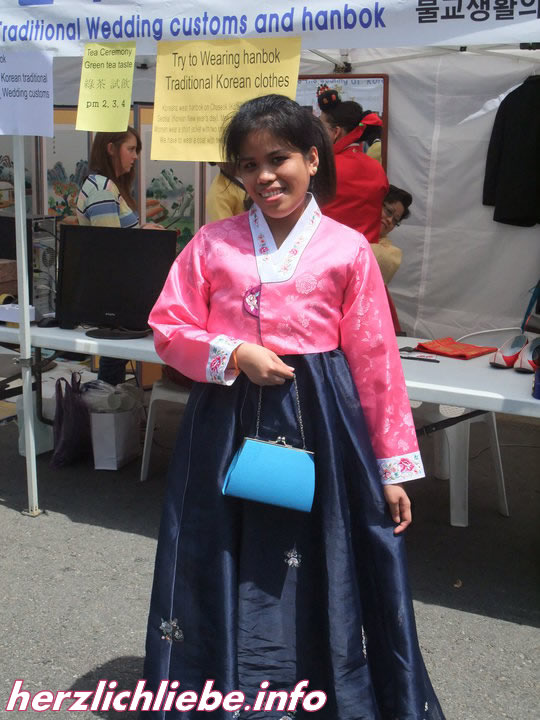
The photo of me wearing hanbok was taken when I attended the Lotus Lantern Festival in Seoul the previous year.
Wearing hanbok was such a fun experience. It's one thing to see traditional Korean clothing in a museum, but it's another thing entirely to actually put one on.
I don't know if I looked particularly elegant in it, but I definitely enjoyed the experience!
Living in Korea gave me many opportunities to experience Korean culture beyond the usual tourist attractions. Visiting museums, attending festivals, seeing traditional architecture, trying Korean food, and even wearing hanbok are memories that I still enjoy looking back on.
And that's one of the reasons I love keeping these old photos and stories on my blog—they remind me of the places I've been and the experiences I might otherwise forget.

0 comments:
Post a Comment